

The right to life in Kenya is often treated as if it begins at conception and ends at birth. As in much of the world, self-described ‘pro-lifers’ claim to defend life at all costs – yet too often stop short of defending the lives already being lived, and those cut short too early.
Last month, Kenyan authorities exhumed at least 33 bodies – along with four legs and two hands – from a mass grave in Kericho, in the west of the country; eight were adults and 25 newborns, foetuses and infants. The discovery of this mass, illegal grave is reminiscent of 2024, when an unknown number of bodies were dumped in a quarry in Kware. Seven were women, while the rest were reportedly too badly mutilated to be able to determine gender.
Before that, in 2023, authorities exhumed 429 bodies in Shakahola, and at least 19 bodies were found near River Yala between 2020 and 2022. We also remember Denzel Omondi, a student who went missing in the citizen-led protests in June 2024, whose body was found a week later, and the more than 250 Kenyans, mostly men and boys, killed by police, the army and government-sponsored militia during and after the protests of 2024 and 2025.
And let’s not forget the bodies of two or three women and girls found across the country each day – often violated, murdered, mutilated and discarded by current or former partners, or relatives.
The list goes on. Arbitrary, preventable and unexplained deaths are the national norm. It begs questions about ’pro-life’ Kenyans, who define themselves as people who believe the right to life must be protected and respected for all. Why are they not speaking out about this violence and death across the country?
The answer is that in Kenya, as is the case globally, ‘pro-life’ has come to mean simply opposition to abortion, which the constitution has allowed in certain circumstances since 2010, considering it a necessary, reasonable and proportionate exception to the right to life.
Today, we see a striking disregard for human life until women and girls need abortion services, and little concern with protecting people from arbitrary death or ensuring they live dignified lives. Our society – including government, churches, and health, justice and education systems – only mobilises consistently around denying abortion care.
Just last week, the Court of Appeal issued a judgment that – in blatant disregard of the Constitution – reinstates the illegal and traumatising practice of police harassing, sexually assaulting and arresting women and girls for seeking legal abortion services and healthcare professionals for providing legal abortion services. This legally unsound judgment was sought and paid for by the Government, backed by religious groups, in a country where 16 women die each day from preventable complications during pregnancy and childbirth, including unsafe abortion.
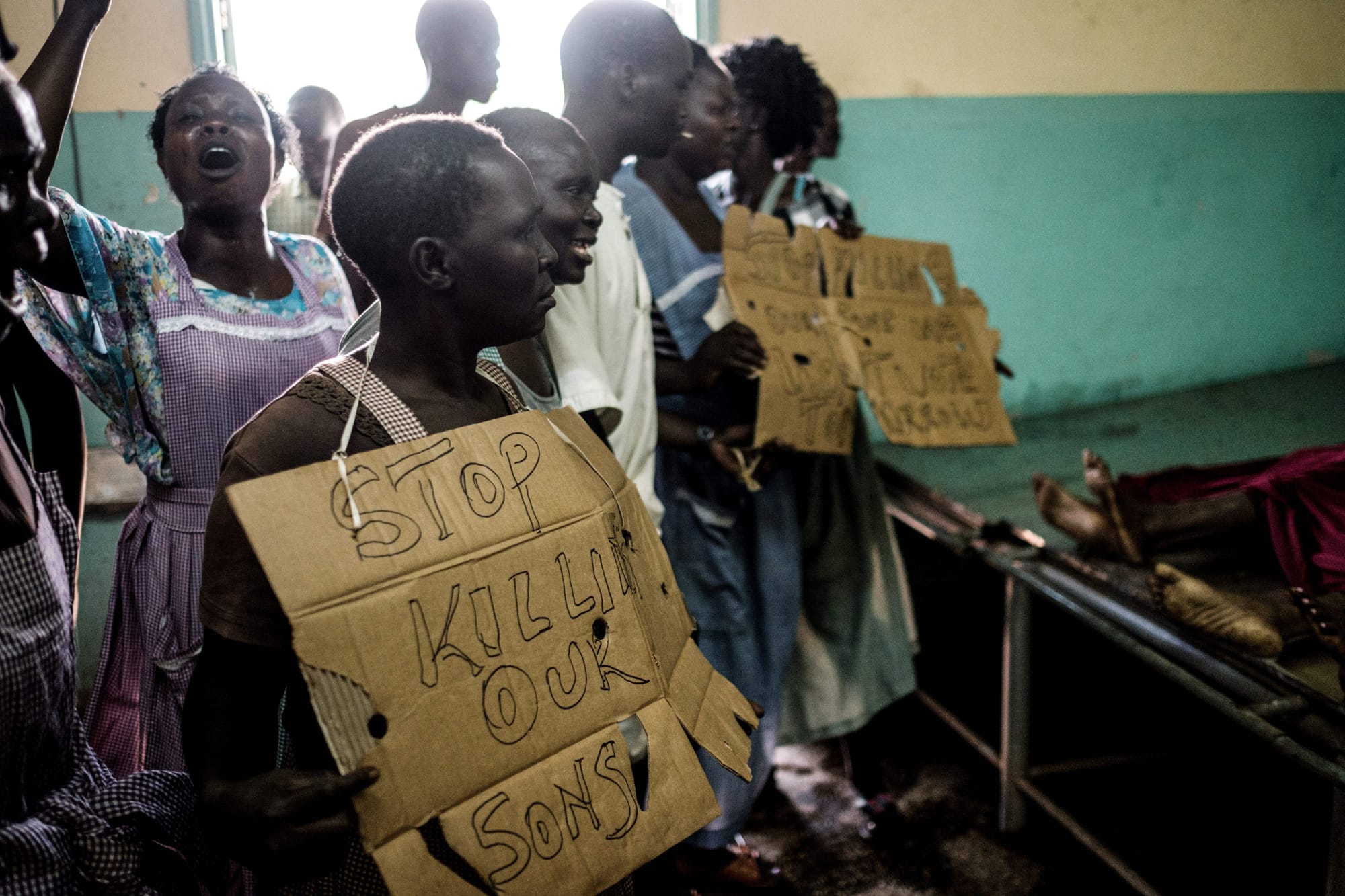
Our values are reflected in what we tolerate.
In 2024, 21 boys died when a dormitory at Hillside Endarasha Academy caught fire, amid failures to enforce basic safety standards. Four newborns die every hour due to a lack of healthcare. More than 110 people have died in recent floods. Thousands die each year in preventable road traffic accidents.
Beyond those deaths are countless others injured, maimed or harmed by floods, state violence, maternal morbidity, intimate partner violence or religious cults and countless other preventable tragedies.
Yet none of these instances has provoked the same level of outrage or coordinated action from the church, government or wider society as, for instance, when Marie Stopes Kenya ran an information campaign on safe, legal abortion in 2018.
Over the past three years, Kenya has experienced a political awakening. Led by young people, citizens have begun demanding accountability from public institutions – and imagining a different future.
That future must be one where all arbitrary deaths are unacceptable. It is not enough to respond to mass graves, extrajudicial killings or femicide with investigations and prosecutions after the fact. The standard must be prevention – a society in which all people are protected from arbitrary deprivation of life, and able to live with dignity, free from constant fear of harm.
As Kenyan feminists argue, we must prioritise and normalise the prevention of violence and arbitrary death. That must become our new national norm.
